
Parallel 29 Logistics insights
How Much Does It Really Cost to Ship a Car in the U.S.? Auto Freight Pricing Explained
Shipping a car isn’t like buying a fixed-price plane ticket. Auto transport pricing moves with lane demand, fuel costs, seasonality, and equipment availability—and it’s one of the biggest questions shippers ask.
This guide explains how much it really costs to ship a car in the U.S., how brokers build quotes, and how to get affordable nationwide auto transport services without cutting corners on safety.
Why Car Shipping Prices Are “It Depends” (Not a Flat Rate)
When you ask, “How much does it cost to ship a car?”, the honest answer is:
It depends on several moving pieces.
As an auto transport broker, Parallel 29 looks at:
- Distance and route popularity
- Timing and flexibility
- Vehicle type and condition
- Open vs enclosed equipment
- Pickup and delivery access
Understanding these factors helps you recognize fair pricing—and spot quotes that are too good to be true.
1. Distance and Route: Coast-to-Coast vs Regional
Distance is the biggest pricing driver:
- Longer routes = higher total cost but lower cost per mile
- Shorter routes = lower total cost but often higher cost per mile
Popular routes between major cities usually have more carrier competition and better pricing. Remote or out-of-the-way locations cost more because carriers must deviate from efficient lanes.
Parallel 29 tip: If you’re flexible, ask whether meeting in a nearby major city can reduce your rate.
2. Timing, Seasonality, and Flexibility
Auto freight is seasonal. Demand spikes during:
- Snowbird moves (north ↔ south)
- Summer relocations
- End-of-year dealership and remarketing activity
If your dates are rigid, carriers may charge more to prioritize your load. A 3–5 day pickup window gives your auto freight brokerage more leverage to negotiate better rates.
3. Open vs Enclosed Auto Shipping
Equipment choice has a major impact on price.
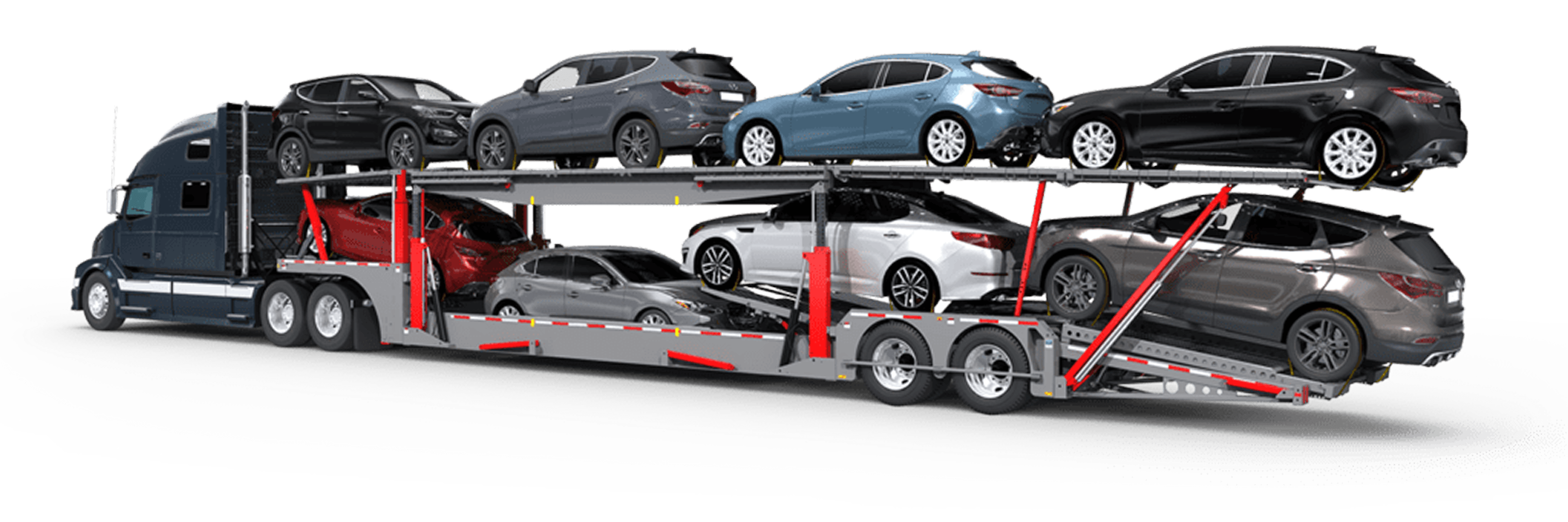
Open car hauling services:
- Most common and affordable
- Ideal for daily drivers and standard vehicles
Enclosed auto shipping:
- Fewer trucks, higher demand per vehicle
- Higher cost with added protection for luxury, exotic, or collector cars
For standard commuters, open transport usually offers the best value. For high-value or irreplaceable vehicles, enclosed shipping is often worth the premium.
4. Vehicle Type, Size, and Condition
Carriers factor in:
- Vehicle size and weight
- Aftermarket modifications (lift kits, oversized tires)
- Running vs non-running condition
Larger or modified vehicles take up more space on the trailer. Inoperable vehicles require special equipment, which increases cost.
Always disclose details honestly so your broker can price accurately and avoid last-minute surprises.
5. Pickup and Delivery Access
Door-to-door vehicle transport is convenient, but:
- Tight streets, hills, and low trees can limit access
- Gated communities may require nearby meeting points
If special arrangements or smaller equipment are required, pricing can increase. Being open to nearby meeting points or terminal-to-terminal transport can sometimes reduce cost.
6. “Average” Car Shipping Costs (And How to Use Them)
Online averages are useful for ballpark expectations—but:
- They don’t reflect your exact lane or timing
- They may be outdated
- They often ignore enclosed vs open differences
Instead of chasing averages, rely on a reputable car shipping broker to explain why your quote differs from generic numbers.
7. How a Reliable Broker Builds an Affordable Quote
A reliable car shipping broker doesn’t aim for the lowest number—they aim for a number the market will actually accept.
A good broker will:
- Price based on real carrier expectations
- Explain how flexibility affects cost
- Offer options to reduce pricing
- Warn you when a low quote may never get picked up
The goal is affordable nationwide auto transport services that actually move your vehicle.
8. How to Avoid Pricing Traps and “Too-Good” Quotes
Red flags include:
- Quotes far below all others
- No explanation of pricing logic
- High-pressure deposit tactics
- Guaranteed exact pickup or delivery dates
If a quote sounds too good, ask your broker to break it down. If they can’t—walk away.
FAQs: Car Shipping Costs with an Auto Transport Broker
1. What is the cheapest way to ship a car?
Usually:
- Open carriers
- Popular lanes between major cities
- Flexible pickup windows
2. Does enclosed shipping always cost twice as much?
Not always, but it’s usually significantly more. The difference depends on lane and timing.
3. Why did my quote change after booking?
Quotes may change if:
- Vehicle details were incorrect
- Locations were harder to access
- Dates shifted into peak demand
A good broker explains changes before proceeding.
4. Do brokers cost more than direct carriers?
Sometimes pricing is similar. Brokers provide access, coverage, and coordination—especially valuable for complex routes.
5. Can I get a guaranteed price?
You can get a firm estimate based on current conditions. Changes in details or market conditions may require adjustments.
6. Why do brokers advertise very low “starting from” prices?
Those are best-case marketing numbers—not guarantees. Always rely on written quotes for your exact shipment.
7. How can I lower my shipping cost safely?
- Be flexible with pickup windows
- Meet in a nearby major city
- Use open transport for standard vehicles
- Work with a broker who explains trade-offs clearly
Ready to See Your Real Numbers?
If you’re planning a move, selling a vehicle, or buying one out of state, the fastest way to get accurate pricing is to request a quote.
Share your route, vehicle, and timing with Parallel 29, and our auto freight brokerage team will explain:
- Why your shipment costs what it does
- How to reduce cost where possible
- What to expect from pickup through delivery
Ready to Ship Your Vehicle?
Tell us your lane, vehicle, and target dates. Our coordinators will confirm your best option and provide a clear estimate you can trust.