
Parallel 29 Logistics insights
How to Ship a Car with an Auto Transport Broker (Step-by-Step Guide for U.S. Shippers)
If you’ve never shipped a vehicle before, the process can sound mysterious. Do you call a truck directly? Do you book online? Who’s actually moving your car?
For most people and most routes, the easiest path is to work with an auto transport broker—a company like Parallel 29 that coordinates nationwide auto transport with vetted carriers. This guide walks you through how to ship a car with a broker, from quote to delivery, in clear, straightforward steps.
What does an auto transport broker actually do?
An auto freight brokerage sits between you (the shipper) and the motor carrier that owns the truck. The broker:
- Collects your route and vehicle details
- Prices the lane based on current market conditions
- Matches your shipment with an appropriate carrier (open or enclosed)
- Coordinates pickup and delivery details
- Helps you understand paperwork, inspections, and next steps if there’s an issue
The broker doesn’t own the truck. Instead, they leverage a nationwide network of FMCSA-registered carriers to give you options and keep the process organized.
When should you use an auto freight brokerage?
You’ll almost always benefit from using a broker if:
- You’re unfamiliar with carriers or the auto freight market
- You want affordable nationwide auto transport services without sacrificing safety
- Your pickup and delivery locations aren’t on a major, obvious lane
- You prefer having a single point of contact managing status and expectations
Trying to book directly with a single carrier can work—but you limit your options and may wait longer for a truck that fits your route and timeline.
Step 1: Request a quote with clear details
The process starts when you request a quote from a car shipping broker.
Have these details ready:
- Pickup city/ZIP and delivery city/ZIP
- Target pickup window (flexible or fixed?)
- Vehicle year, make, and model
- Running/non-running status
- Preference for open or enclosed auto shipping
- Whether you want door-to-door vehicle transport or are open to a nearby meeting point/terminal
The more accurate your information, the more accurate your quote will be.
Parallel 29 tip: Ask your broker to explain why a quote is priced the way it is—distance, lane demand, seasonality, equipment, and timing all matter.
Step 2: Compare open vs enclosed, and service types
Once you have a quote, your broker should help you choose between options:
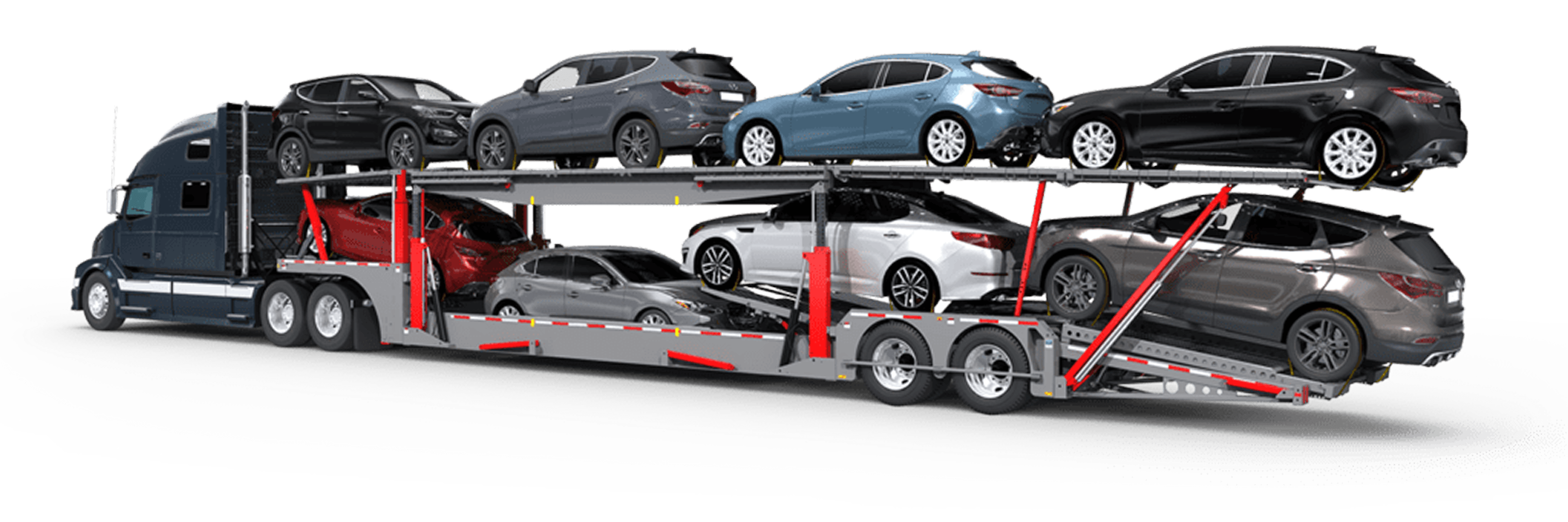
- Open car hauling services – Standard, most affordable, great for everyday vehicles
- Enclosed auto shipping – Premium protection for luxury, exotic, or classic vehicles
Service type:
- Door-to-door vehicle transport – Pickup/delivery as close as safely possible to your addresses
- Terminal-to-terminal transport – You drop off and pick up at designated locations
Your broker’s job is to explain trade-offs so you’re not guessing.
Step 3: Confirm the booking
When you accept a quote:
- You’ll usually confirm by email or digital form
- You may pay a brokerage fee or deposit (the balance often goes to the carrier at delivery)
- You’ll receive written confirmation of the lane, estimated timing, and basic terms
At this point, your auto transport broker begins the process of assigning a carrier.
Step 4: Carrier assignment & estimated dates
Next, your broker:
- Posts and negotiates your load with vetted carriers
- Verifies the carrier’s authority and insurance
- Confirms pickup and delivery estimates, not guarantees
You should receive:
- Carrier name and contact details
- Estimated pickup window (often a 1–2 day range)
- Estimated transit time and delivery window
Important: No broker or carrier can honestly guarantee exact dates. Weather, traffic, inspections, and breakdowns affect real-world schedules.
Step 5: Prepare your vehicle for pickup
To avoid surprises:
- Remove personal items and valuables (they usually aren’t covered by cargo insurance)
- Leave about 1/4 tank of fuel
- Note existing dents, scratches, and chips
- Take clear photos of all sides, wheels, and the interior
- Turn off or disable alarms where possible
This preparation makes the inspection and bill of lading (the condition report) straightforward.
Step 6: Pickup day – inspection and loading
On pickup day:
- You meet the carrier at the agreed location (home, office, or nearby spot if access is tight)
- The driver inspects your vehicle and notes existing damage on the bill of lading
- You review, ask questions, and sign before loading
- The vehicle is loaded onto the open or enclosed trailer
- Keep a copy (photo or digital) of the signed bill of lading—it’s key if a damage claim is ever needed
Step 7: In transit – communication & expectations
During transit, your auto freight brokerage should:
- Provide periodic status updates
- Answer questions about timing and route
- Help coordinate delivery if something changes on your end
This is where a reliable car shipping broker shines: you’re not chasing a driver while they’re on the road; you have a coordinator managing communication.
Step 8: Delivery – final inspection and payment
At delivery:
- You or your trusted representative meets the carrier
- You inspect the vehicle and compare to your pickup photos and bill of lading
- Any new damage you believe occurred in transit is noted on the bill of lading before signing
- You pay the remaining balance to the carrier, if applicable
- If there’s an issue, your broker can help you understand the claim process with the carrier’s insurer
FAQs: How to ship a car with a broker
-
Is it cheaper to use an auto transport broker than to go direct to a carrier?
Not always—but brokers give you access to more carriers and auto freight services, which can create better options and timing. A good broker also helps you avoid unrealistically low quotes that never get picked up. -
How far in advance should I book car shipping?
Ideally 7–10 days before your desired pickup window. For peak seasons or remote routes, more notice is better. -
Do I pay the broker or the driver?
Typically, you pay a brokerage fee or deposit to the broker, and the remaining balance goes to the carrier at delivery. Ask your broker to explain the structure before you book. -
Can I ship a car with personal items inside?
Most carriers discourage it, and personal items are usually not covered by cargo insurance. If limited items are allowed, they’re transported at your risk. -
Is enclosed auto shipping worth it for my vehicle?
If you own a luxury, exotic, classic, or freshly restored car, enclosed shipping is often worth the additional cost. For standard daily drivers, open carriers usually provide the best value. -
How do I know if a broker is legitimate?
Check their MC number, read independent reviews, and look for clear explanations of pricing and terms. Beware of anyone who promises exact dates or far-below-market prices with no trade-off. -
What’s the fastest way to ship a car?
Flexibility helps. If you’re flexible on dates and willing to pay market rates, your auto freight brokerage can often secure faster pickup windows.
Ready to Ship Your Vehicle?
Tell us your lane, vehicle, and target dates. Our coordinators will confirm your best option and provide a clear estimate you can trust.