
Parallel 29 Logistics insights
Open vs Enclosed Auto Shipping: How to Choose the Right Protection for Your Vehicle
Open vs Enclosed Auto Shipping: How to Choose the Right Protection for Your Vehicle
One of the biggest decisions you’ll make when shipping a vehicle is what type of truck to use:
Open car hauling services, or
Enclosed auto shipping
Both can be safe and effective when arranged through a reputable auto transport broker. The right choice depends on your vehicle, risk tolerance, and budget.
Here’s how Parallel 29, as an auto freight brokerage, helps customers decide which option is right for their shipment.
What is open auto transport?
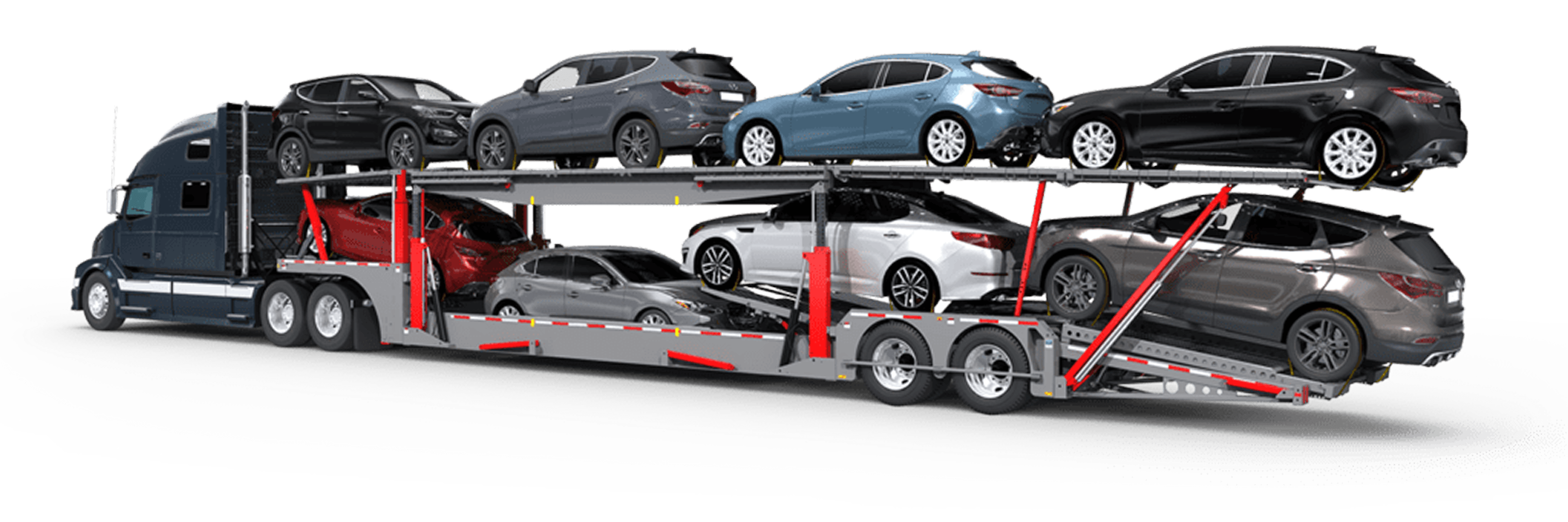
Open transport uses the familiar open-air trailers you’ve seen on highways, often carrying 7–10 vehicles.
Pros
- Most common and widely available
- Typically the most cost-effective option
- Great for everyday, commuter, and used vehicles
Considerations
- Vehicles are exposed to weather and road debris
- Higher visibility during transit (which some owners like, others don’t)
Open is the standard choice for most nationwide auto transport moves.
What is enclosed auto shipping?
Enclosed auto shipping uses trailers with solid walls and roofs that fully cover the vehicle.
Pros
- Protection from weather, road debris, and prying eyes
- Often used for luxury, exotic, classic, or collector vehicles
- Many enclosed carriers use soft straps and specialty equipment
Considerations
- Higher cost due to fewer trucks and specialized service
- Limited capacity (fewer vehicles per load)
If you’d never leave your vehicle parked outside for long in a storm or busy area, you’ll likely feel more comfortable with enclosed shipping.
Open vs enclosed transport comparison
| Factor | Open Transport | Enclosed Transport |
|---|---|---|
| Cost | Lower, most affordable option | Higher, premium service |
| Protection | Exposed to weather & road debris | Protected on all sides |
| Availability | Very high, more trucks and routes | Lower, limited equipment |
| Best for | Daily drivers, used cars, dealer moves | High-value, exotic, classic, show, or low-clearance vehicles |
| Visibility | Vehicles visible on trailer | Vehicles hidden from view |
Your car shipping broker should walk you through this trade-off using your specific vehicle and route—not a generic answer.
When open transport is the smart choice
Open transport is usually the best fit when:
- You’re moving a standard commuter, SUV, or common model
- The vehicle is used and already sees regular road exposure
- You’re focused on affordable nationwide auto transport services
- Timing is tight and you need maximum truck availability
In these cases, paying extra for enclosed sometimes adds cost without meaningful benefit.
When enclosed auto shipping is worth it
Enclosed shipping is worth serious consideration if:
- You own an exotic, luxury, or rare vehicle
- You’re transporting a freshly restored classic or show car
- Low ground clearance, unique bodywork, or custom paint is involved
- You’ve invested significant time and money into the vehicle and want to minimize risk
For these vehicles, many owners see enclosed shipping as part of protecting their overall investment—not just a line item in transport costs.
How an auto freight brokerage helps you decide
A trust-focused auto freight brokerage like Parallel 29 will:
- Ask about your vehicle’s value, condition, and history
- Discuss your risk tolerance and budget
- Price both open and enclosed options where available
- Explain how lane, season, and demand affect each option
The goal isn’t to upsell you—it’s to help you choose the option that makes sense for your situation and sleep at night.
FAQs: Open vs enclosed car shipping
1. Is enclosed auto shipping safer than open?
Enclosed transport offers more protection from weather and debris, which many owners of high-value vehicles prefer. Both open and enclosed can be safe when carried out by vetted carriers coordinated by a responsible auto transport broker.
2. Can I ship a luxury car on an open carrier?
Yes, you can—but many luxury or exotic owners choose enclosed for extra peace of mind. If you’re unsure, ask your broker to price both and talk through your comfort level.
3. How much more does enclosed shipping cost?
It varies by route and season, but enclosed is typically significantly more than open due to limited capacity and specialized service. Think of it as a premium layer of protection, not just a small add-on fee.
4. Is open transport okay for a brand-new car?
Many new vehicles are moved on open carriers during their lifecycle. If the car is rare, extremely expensive, or highly customized, enclosed might still be better. For standard new vehicles, open is very common.
5. Which option is faster: open or enclosed?
It depends on your route and timing. Open carriers are more common, so they may have more frequent availability. Enclosed loads can sometimes take longer to match because there are fewer trucks and fewer total spots.
6. Does enclosed shipping mean white-glove indoor storage?
No. It means your car is transported in an enclosed trailer. Storage and staging conditions depend on the specific carrier and route. Your broker can clarify expectations for your shipment.
7. How can I decide if enclosed is worth it for my car?
Ask yourself:
- “If something small went wrong in transit, would I be okay with it?”
- “Would I be more upset about a slightly higher cost—or a slightly higher risk?”
Your answers, plus guidance from a reliable car shipping broker, will steer you in the right direction.
Still deciding between open and enclosed?
You don’t have to decide alone.
Share your vehicle details, route, and timing with Parallel 29, and we’ll provide open and enclosed quotes where possible, plus a recommendation based on your situation.
Ready to Ship Your Vehicle?
Tell us your lane, vehicle, and target dates. Our coordinators will confirm your best option and provide a clear estimate you can trust.